
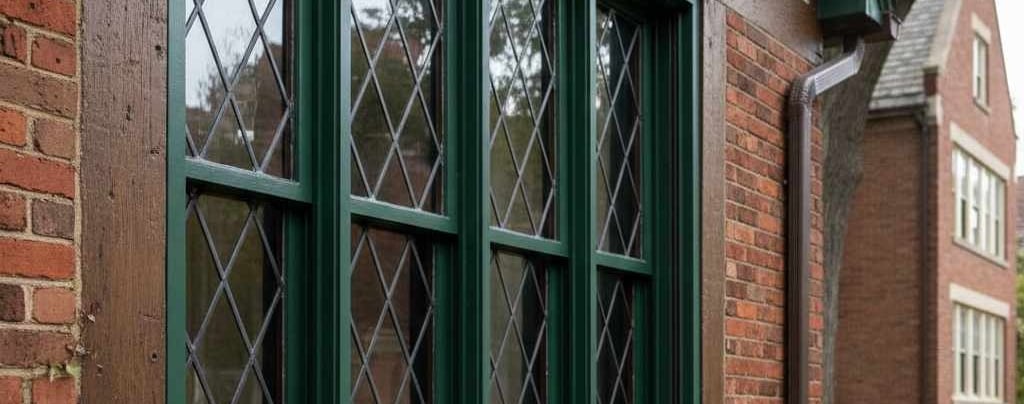
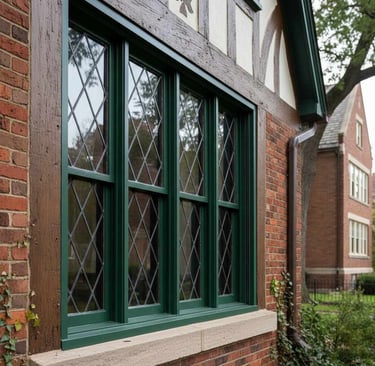
Original Windows
Why New Windows Aren't Always Better
2/17/2026
In the world of home renovation, windows are often treated as disposable, swapped out for the sake of efficiency without a second thought. But while the average replacement window lasts 15–20 years, a properly maintained historic window can endure for centuries.
The Myth of Energy Savings
We’ve all heard the pitch: New windows will pay for themselves in energy savings. However, when you look at the data, the math rarely adds up.
The vast majority of heat loss in older homes occurs through the attic and the foundation, not the glass. Furthermore, it can take nearly 40 years to earn back the installation cost of new windows through utility savings. Because most modern seals fail or frames warp within 20 years, your windows are often headed to a landfill before they’ve even paid for themselves.
The Value of Extinct Materials
Windows built before the mid-20th century were harvested from old-growth forests. This timber is incredibly dense, naturally rot-resistant, and possesses a structural integrity that modern kiln-dried pine simply lacks.
When you remove an original sash, you aren’t just losing a piece of glass; you are discarding a material that is essentially extinct. Once it’s gone, you cannot buy that level of quality back—regardless of the replacement’s price point. These windows have survived decades of neglect precisely because the wood is so high-quality, requiring no vinyl cladding to resist the elements.
Restoration: Modern Comfort, Historic Soul
An original wood window is a piece of high-performance machinery. If you are lucky enough to own an old home, restoration should always be your first choice. You can achieve modern efficiency by focusing on three key methods:
Reglazing: Replacing brittle, aged putty ensures the glass remains secure and airtight.
Weatherstripping: High-quality bronze spring stripping can eliminate air infiltration as effectively as a modern gasket.
Storm Windows: Adding a low-profile storm window creates a thermal barrier that rivals the insulating properties of double-pane glass. Companies like Window Slip offer sleek, low-profile options that provide protection without sacrificing your home’s aesthetic.
Preservation is Sustainability
The greenest window is the one that is already there. Every year, thousands of historic windows are discarded, victims of aggressive marketing rather than structural failure.
Beyond sustainability, there is the matter of architectural integrity. Replacement windows have rigid frames that don't account for how old houses shift over time, often resulting in more drafts than the originals. Moreover, vintage windows were designed specifically to match the proportions and trim of your building. When they are replaced with generic vinyl, a house can feel "at odds" with its own history.
The Bottom Line
Your windows have likely done their job for 100 years already. They may be a little creaky or buried under layers of paint, but they are proven performers. It is a far better investment to repair an old wood window than to sink money into a replacement with a 20-year warranty.
With a bit of effort, your antique windows won't just look better, they'll last another century.
CONTACT
© 2026. Michigan Maison - All rights reserved.
FOLLOW US
LOCATION
Michigan 48236